Welcome back!
Hello to all my fellow wanderlust travel seekers. This is the commencement of building your itinerary. This will cover crucial elements and activities that you will need. Please read about the historical significance of Tokyo, Meji Shrine and Mount Fuji. Please keep in mind this travel guide is designed to be budget friendly while giving you the most historically significant and authentic experience.
This page will cover the following:
- What to expect upon arrival and how to get around?
- Where to stay?
- Daily Expenditure
- Recommended Activities and Itinerary
- Day 1 -Arrival To Tokyo
- Day 2- shabuya
- Day 3- Harajuku
- Day 4- Shinjuku
- Day 5- Mount Fuji
All references and external links can be found at the bottom of the page in the full citation
(harvard) . On the top of each section of writing all sources used are also mentioned. All other sources used, are hyper-linked to the source directly. Image sources are listed at the bottom.

What to expect?
I have used the following to write the below. All other sources are directly hyperlinked.Please go to bottom of page to see full citation. The website http://edition.cnn.com/2008/TRAVEL/09/30/tokyo.overview/index.html and journal article 1.Kikuchi, T., Maruyama, S., Inazaki, T., Kumaki, Y., Kureha, M., Sano, O., Sugai, T. and Marui, A., 2013. Introduction to the special issue on “Tokyo: Past, Present, and Future (Part I)”. Journal of Geography (Chigaku Zasshi), 122(6), pp.913-915.
The Historical Significance and facts of Tokyo
Did you know that Tokyo has been listed as the best big city to visit in 2019? Tokyo is Japans capital and a balance of traditional Japanese culture in a metropolitan surrounding with thriving streets outlined by large sky scrapers and electric lights. Everywhere you turn you will be surrounded with Anima, large buildings with vending machines and department stores that sell just about everything. It presents itself to be a sci-fi hub with plenty of Manga presented around itself. It is home to a population of 9.2 million people and is the central area of Japan bringing in tourism as well. It is a busy city hub with bright colours and architecture within the city. The recommended times to visit Tokyo would be in the Cherry Blossom Season (March-May) and the Autumn Season (September-November. A Recommended amount of stay in the Tokyo area for a backpacker is usually 4 to 5 days. It is an amazing place to see spectacular views of Mt Fuji and even in 5 days of staying in this beautiful city you will barley scratch the surface of it. However, you will need to be prepared to use many expense hacks to ensure your budget is not blown in this very costly city.
Tokyo was originally an Edo Village settles around 3000BC. It was created in the 12th century and the imperial palace was its home. The culture of Edo influences the Japanese social nature and the base power of the Tokugawa Shogunate ruled the culture over 250 years and in 1868 it was overthrown. It went through dramatic growth. by the 1720’s the population became over 1.1 million and became one of the biggest cities to population . Still today it is the city with the largest earth population. in 1868 it officially became Tokyo which carries the meaning of Eastern capital. After 700-800 years the emperor Meji came into power and resided over Tokyo ever since. Tokyo till date is described to be the capital ever since.
It is known for its catastrophic earthquakes that have shattered the country previously in half. You may notice when you visit Tokyo or see pictures that there are multiple skyscrapers and modern and new age vibe to the place. That is because it has been through severe earthquakes and is an area known for it. Hence, there is not much architecture there that is particularly sentimental. There are still constant earthquakes in Japan till today. In 1923 on the first of September an 8.4 rector scale sized earthquake hit Tokyo. It killed over one hundred and forty thousand peoples and damaged approximately 45-50% of the City. Soon in 2011 the largest earthquake hit in the form of tsunami 2011 also claiming a large population of Japanese residents from the north to the south.
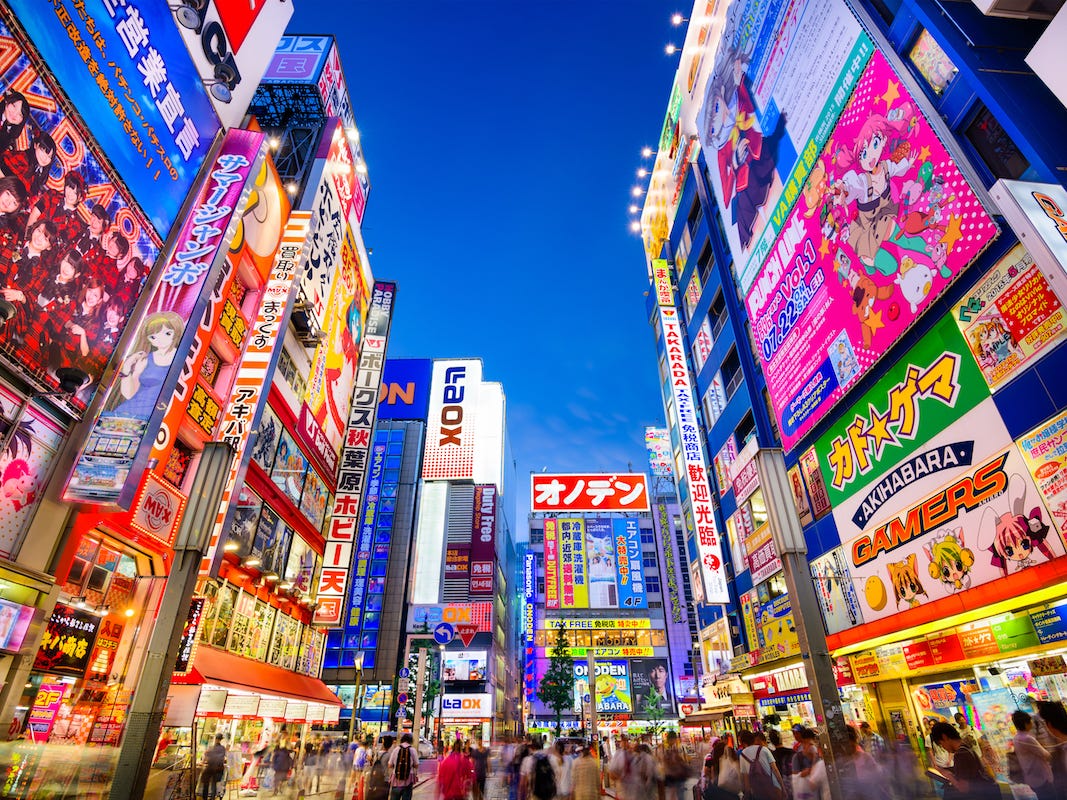
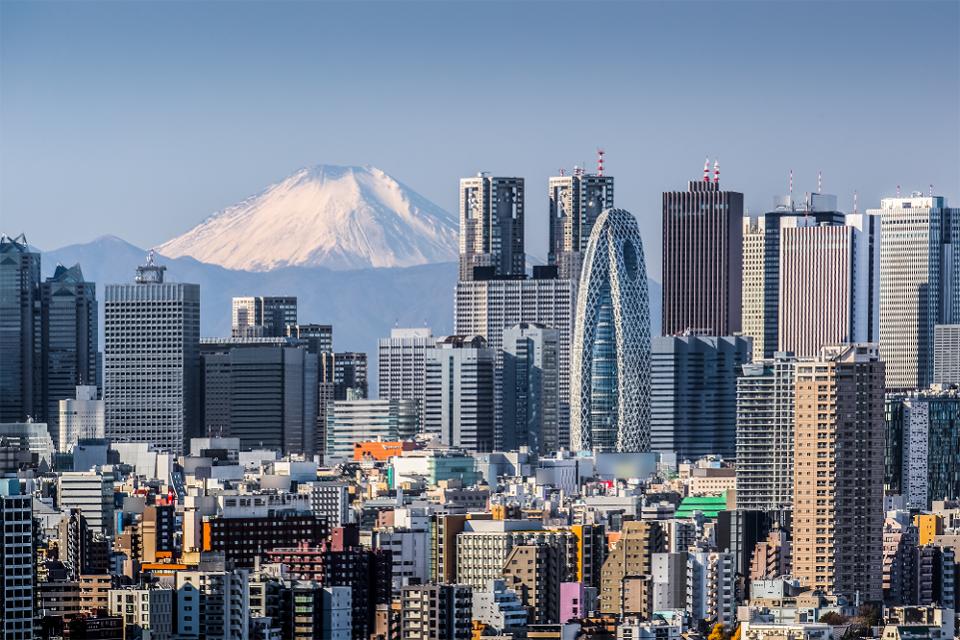
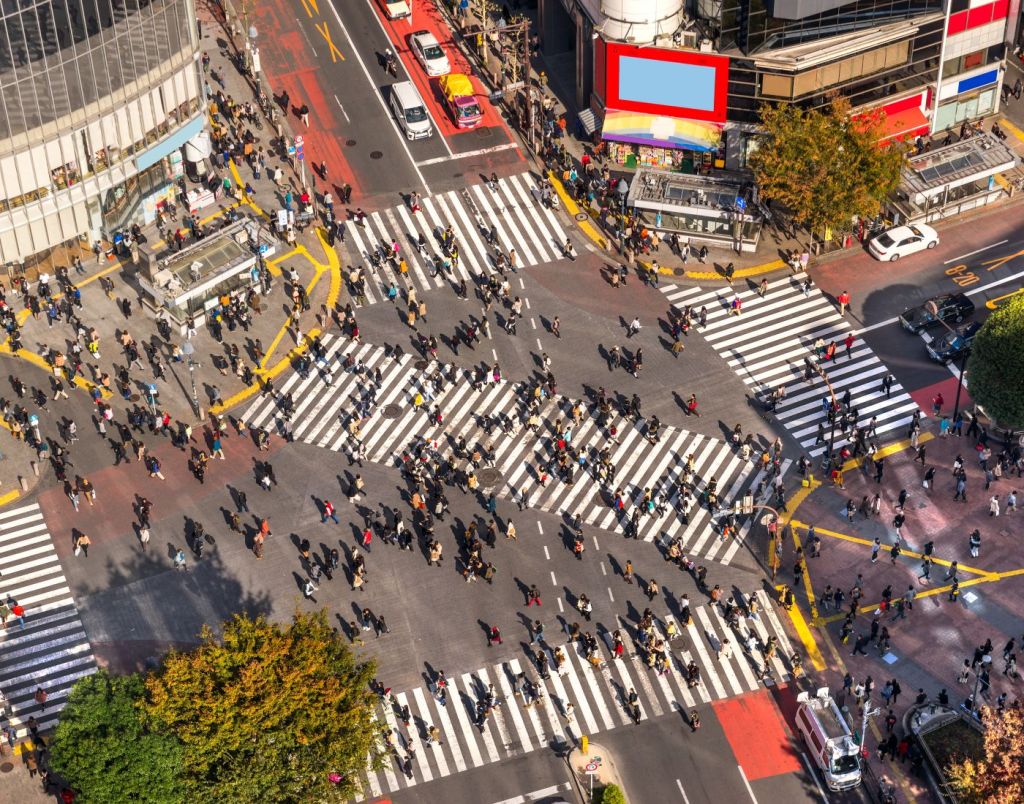
Images sourced from the following: image 1, image 2, image 3
On arrival
I have used the following to write the below. All other sources are directly hyperlinked.Please go to bottom of page to see full citation. The website https://www.japan-guide.com/e/e2359_003.html.
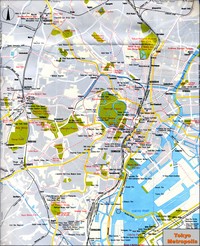
Be sure to have a copy of the map which can be made available at the Airport or downloaded on your phone.
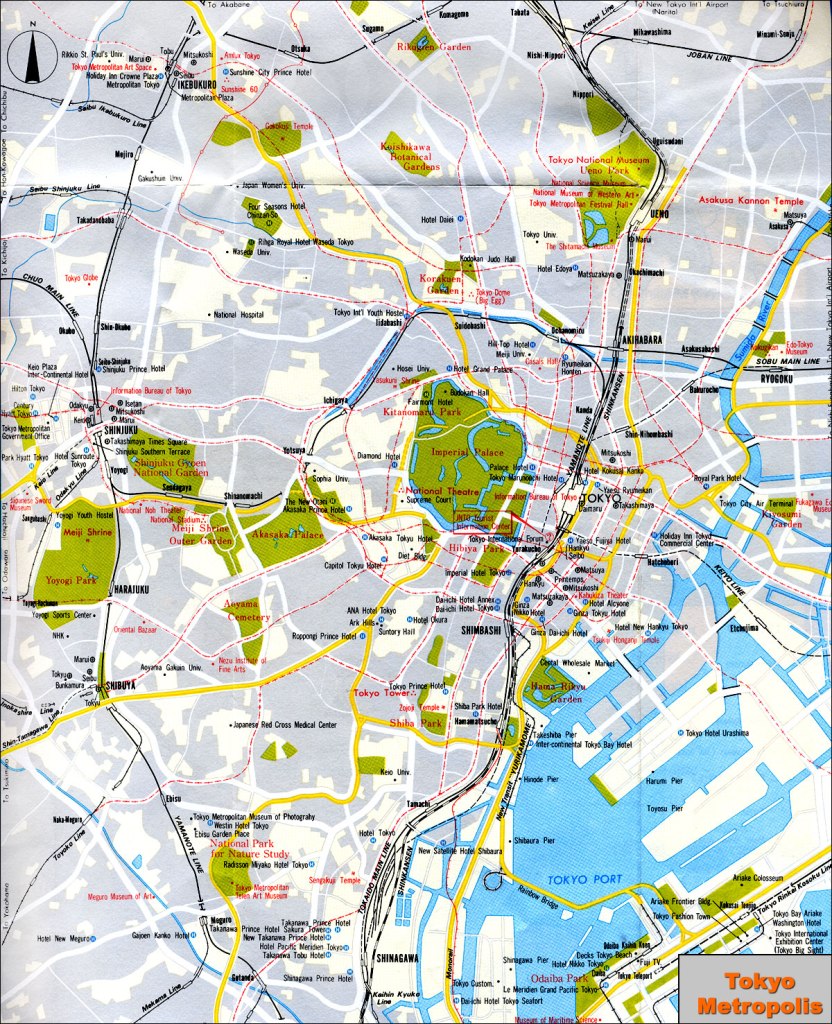
Tokyo has two different airports.
- Narita international airport
- Tokyo international airport (Haneda)
I would personally reccomend the Haneda airport as it is closer to central Tokyo, however both are manageable.
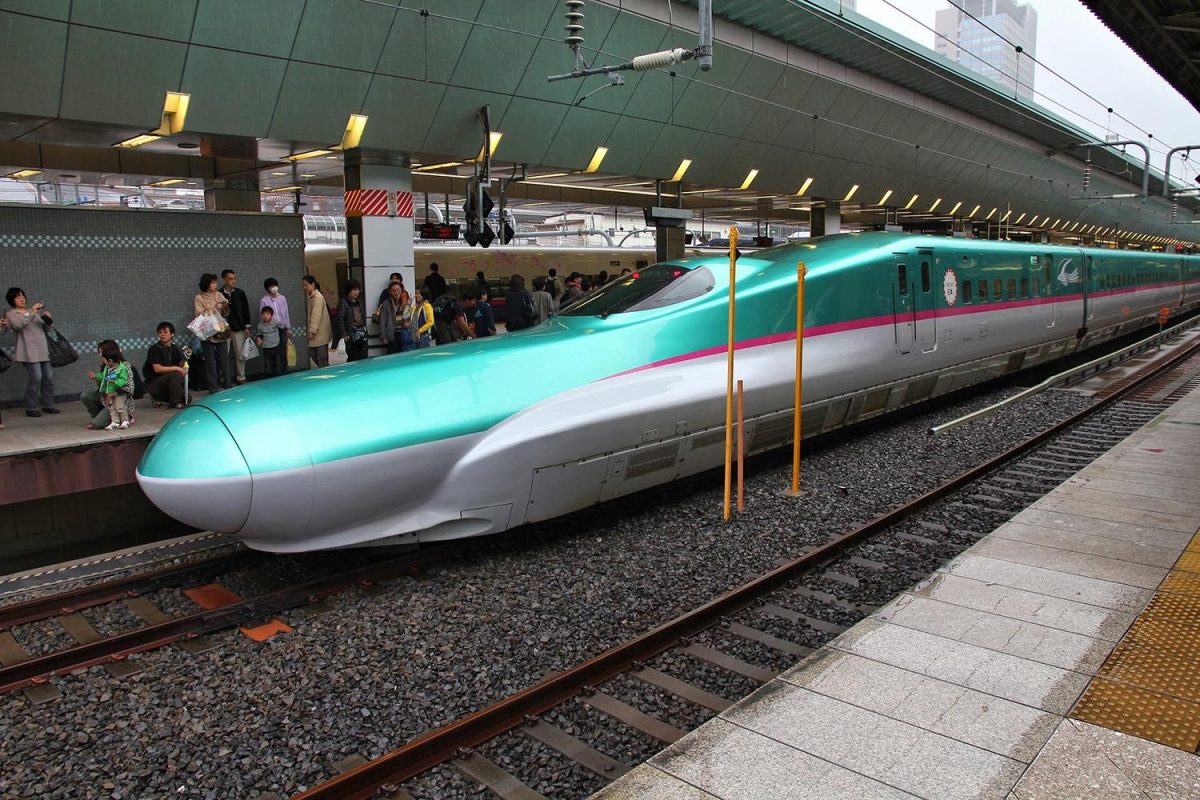
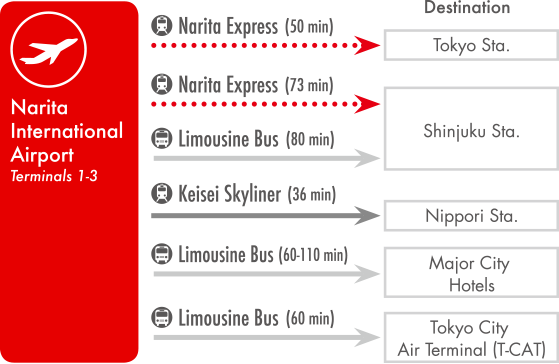
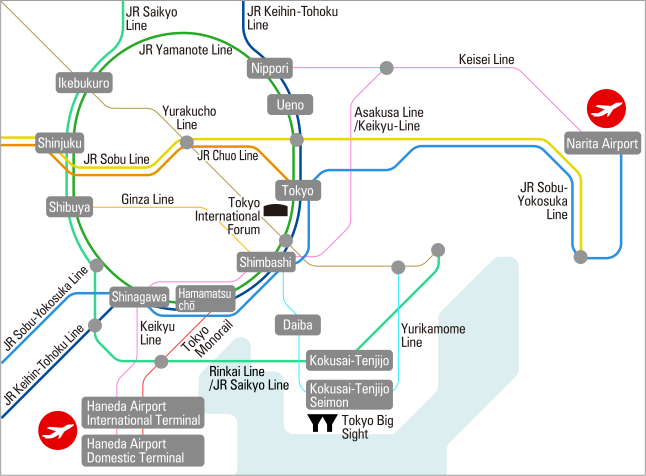
There are two main modes of transport from getting between the airport and the central city. It has been planned with easy lines so trains, buses and subways. Japan are known for their timely trains and are very frequent. The below shows you what options you have to get where and how long it will take.
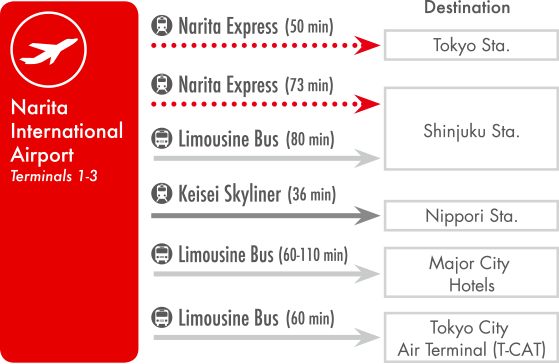
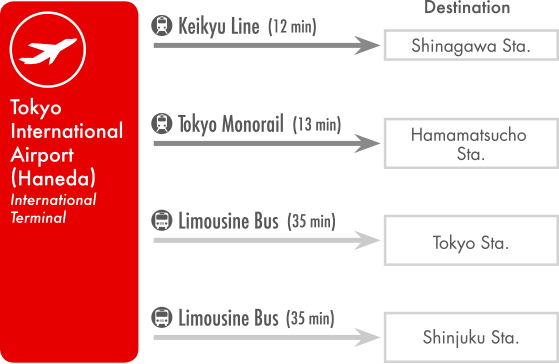
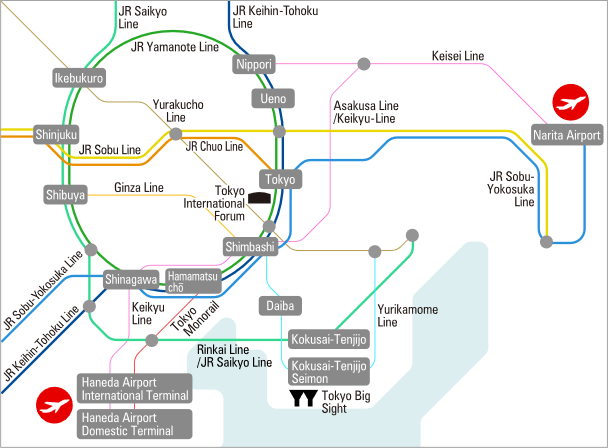
It is important to also get JR travel cards which are used for the main train and bullet train system of Japan. It is used to use trains, busses and subways across Tokyo, Kyoto and Nara. It is an expensive purchase but for 14 days it will cost about 700 AUD which sounds a lot to the ear. But day trips and travelling between cities can cost you a few hundred dollars which amounts to more than $350-$700. So the bundle JR ticket adds the most value.
Or get a IC travel card. It is used to use trains, busses and subways across Tokyo making it a cheap, quick and effective way to travel.Increasingly a number of other merchants are registered with different IC travel cards and accepting them as a type of purchase. There are varying kinds you can get and you can search them all at the following link japan-guide.com.
JR Cards:
- Can be purchased at JR stations
- JR Pass Info Link
Suica Cards
- This can be purchased at JR stations
- Suica Info Link
Pasmo Cards
- Available for purchase as private railway stations, subway or bus depots
- Pasmo Info Link
Where to stay?
Sources for this section have been hyperlinked to the direct source. Full citation can be found at the bottom of the page.
There is varying choice in the hub of Tokyo on where to stay. You have a choice of hostels and hotels that you can try. When backpacking and keeping on a tight budget this can be quite difficult in a place like Tokyo where accommodation can be costly at a few hundred dollars per night.
Hostels:
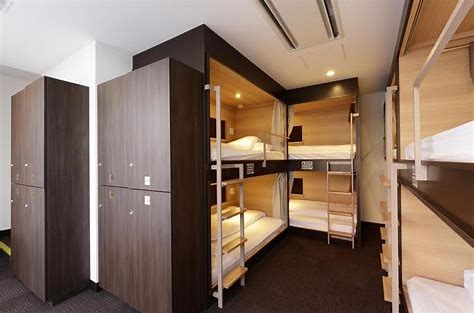
I would recommend staying at hostels for a number of reasons. The first one is cost and location. Hostels are generally the cheapest forms of accommodation available. They are booked per night and you can often book them upon arrival. Because it is designed for backpackers you often share your room with other guests who are travelling like you. You can make friends and exchange ideas and experiences to make your trip more worth while. You can also choose to have a private room if you do not wish to share, be in an all female or male dorm room or book it with friends. The main websites and apps I would recommend are hostel world and booking.com. you can find deals of just as little as $40 AUD per night
Hotels:
Hotels are more on the pricier side and unless booked in advance it can be quite difficult to find one within a minimum price range. Services such as breakfast, making bookings and using facilities are just not worth it in my opinion as a backpacker. However if you do wish to stay at a hotel here are some links you can check out are agoda and Trivago.
Capsule Hotels:
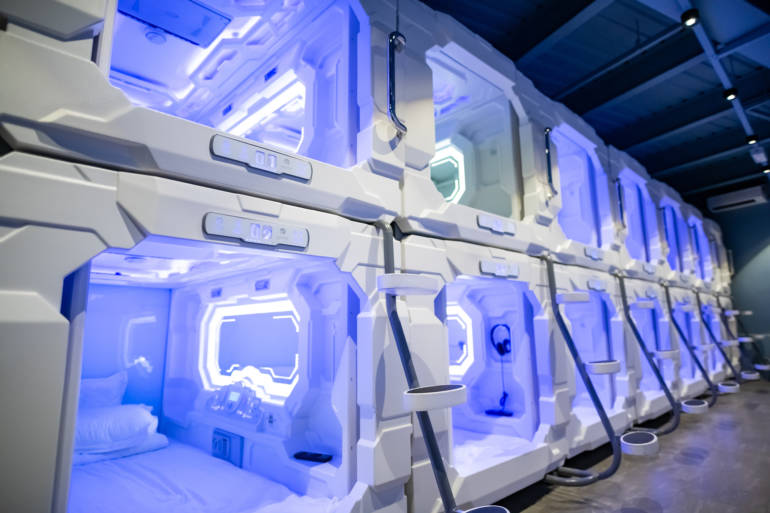
Did you know capsule hotels are a concept built in Japan. For those of you who don’t know a capsue hotel also known as a Pod Hotel or in Japan カプセルホテル kapuseru hoteru are small individual cabins and bunks set up to sleep in overnight. It is designed for a cheap short term stay and can be as little as $40 per night in Tokyo. This is an experience I would recommend to everyone visiting unless you are claustrophobic and hate small spaces.
The following is a link to a blog about different capsules, reviews, costs and locations. I encourage you to read this and find some accommodation. https://tokyocheapo.com/accommodationcat/capsule-hotel-tokyo-guide/
Daily Expenditure in Japan
Tokyo is known to be very expensive. With accommodation per night in Japan averaging between 50-70 AUD and approximately 100 AUD in daily travel, food and activity expenses to have an adequate experience. I would recommend having a budget of $150 to $200 AUD per day. Across 14 days without domestic and international flights this can cost up to $3000 AUD. The below activity guide and recommendation will have a range of options so you can adequately decide on what to do.
Day 1- Arrival
On the first day you will probably be pretty exhausted. I would recommend travelling to your first accommodation in central Tokyo. You can catch any mode of transport with the aforementioned information to get to your destination at a cheap cost. Maybe go for out in the evening for a light dinner, perhaps sushi and sake.
Day 2- Shibuya
Sources for this section have been hyperlinked to the direct source. Full citation can be found at the bottom of the page.
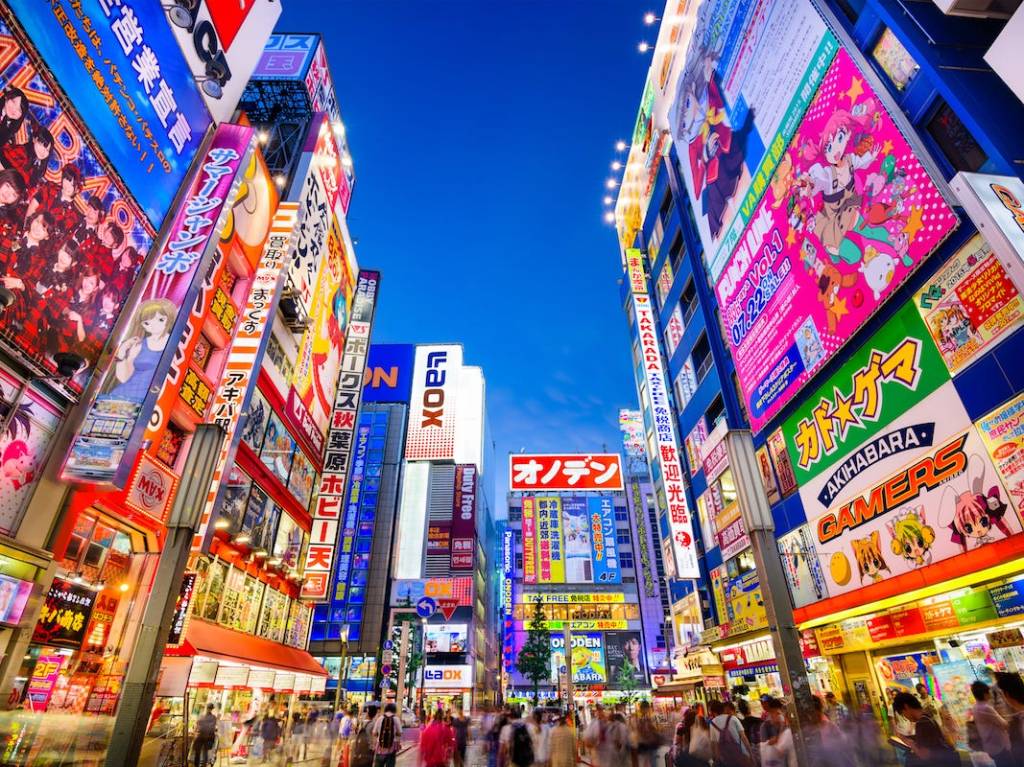
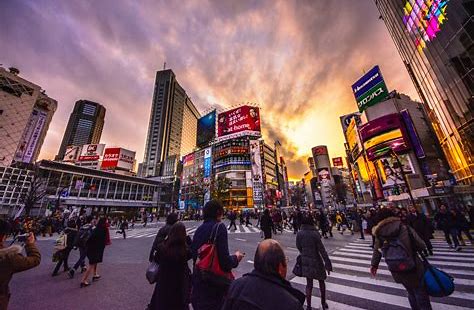
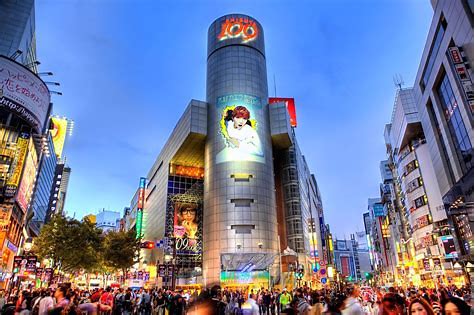
Rise and shine for day 2! Shibuya is in central Tokyo and is one of the busiest places. It is a great introduction to Tokyo’s energetic side and is what can be described surrounded in electric lights. There are tall buildings, people everywhere and activities everywhere.
Visit the Shibuya Station
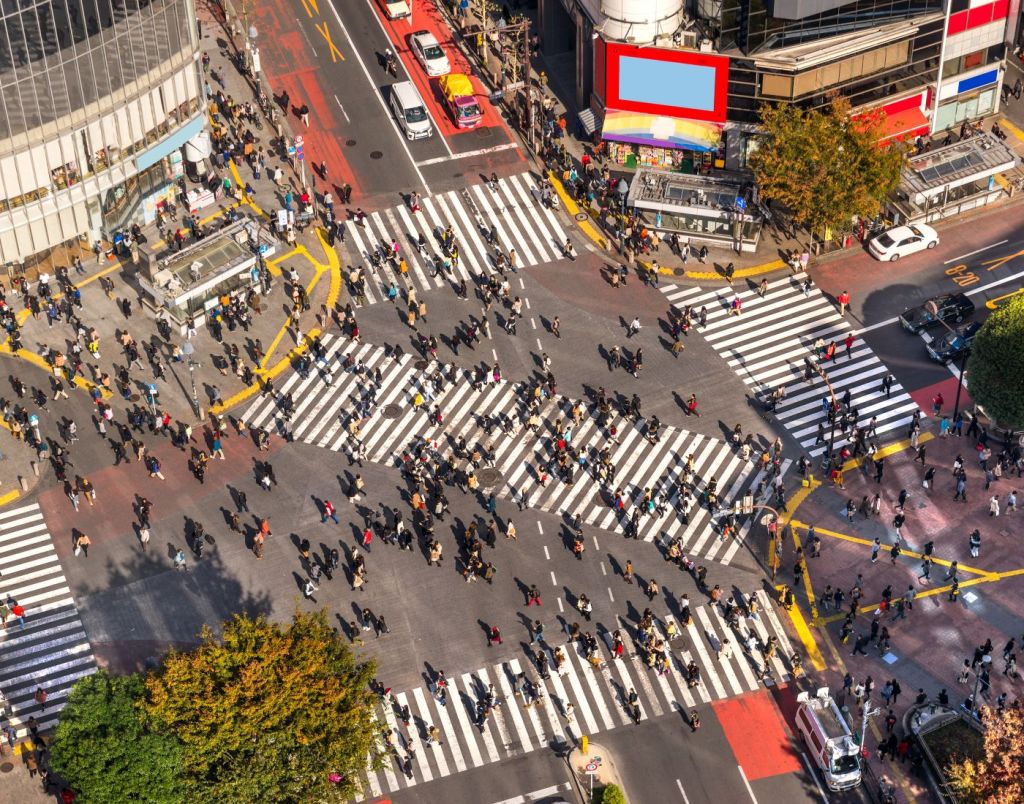
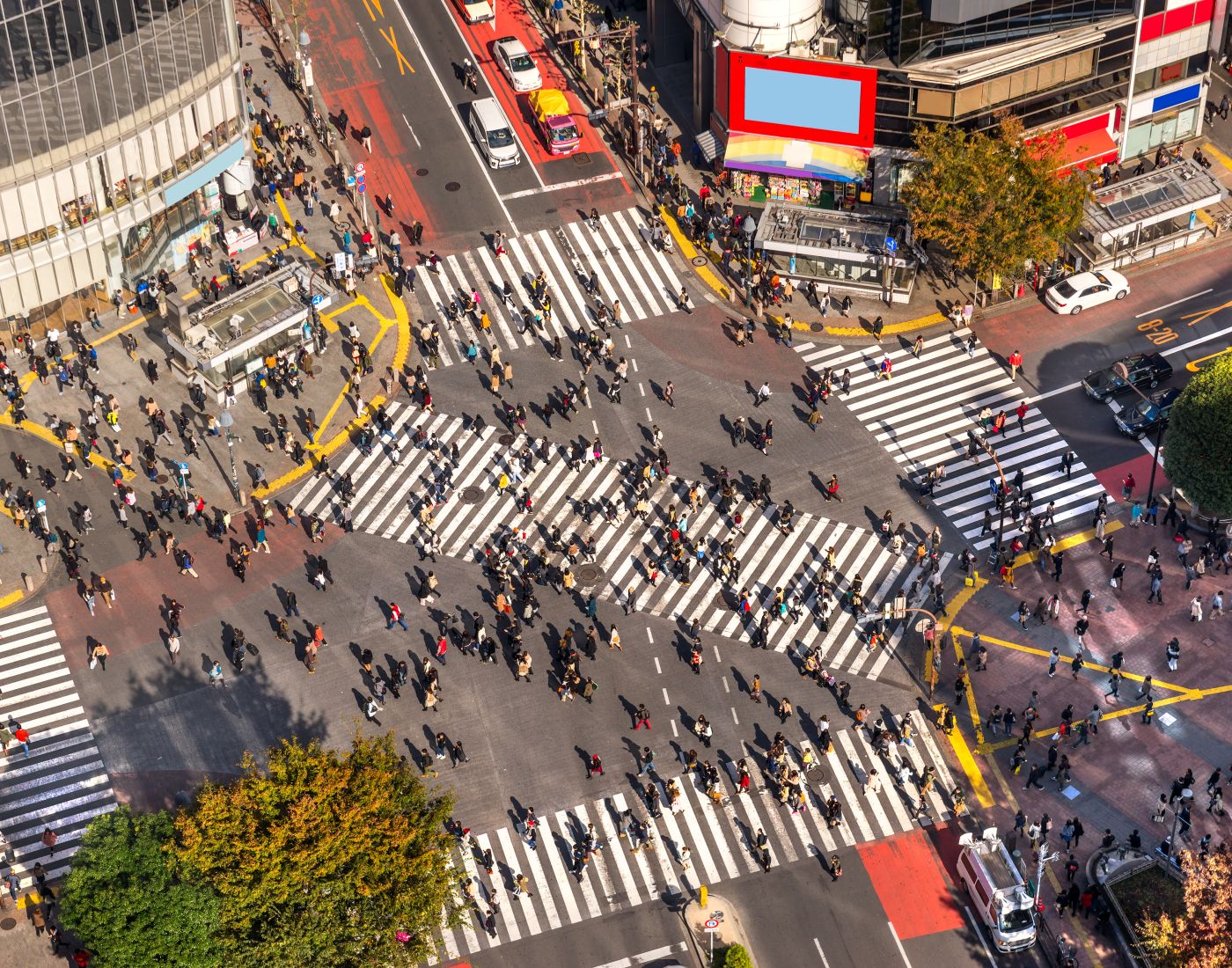
Shibuya Station is chaotic especially during peak hours and can take hours to go through. You can spend a part of your day or your entire day wandering the chaotic studies. The most iconic thing to see is the crossing between Shibuya and Shinjuku. It is optimal to go during peak hours and record from above. The recommended times to go at 7am-9:30am or 5pm till very late at night according to the following blog You Could Travel.
Places to eat throughout the day and night:
- Grab a bowl of cheap Ramen at Afuri Ebisu
- Explore a Manga Café – Manga is a traditional comic cartoon art explored in. You can even stay overnight in a Manga café and could prove to be really cheap in comparison to a hotel. The overnight facilities are geeky, quirky and worthwhile experience.
- Here is a list of 10 places that are a cheap eat in Tokyo Shibuya. I think the Katsuya Restaurant looks delicious. If you are a crispy food and Japanese curry lover you too will enjoy feasting here. https://www.tripzilla.com/cheap-good-food-shibuya/85044
Go to a Pachinko Arcade in the evening
According to the youcouldtravel.com, these are available at many locations across Shibuya. These are arcades where you can play games and music is known to be louder than what you would hear in a night club. Gambling is illegal in japan however the games are similar and instead of money small toys are won instead.
Day 3 – Harajuku
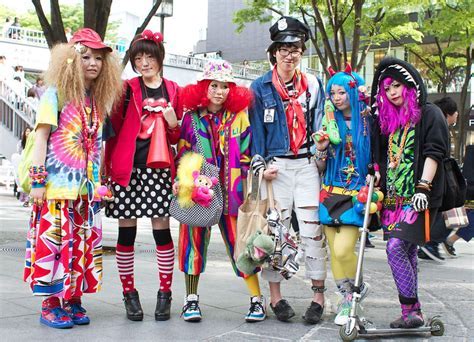
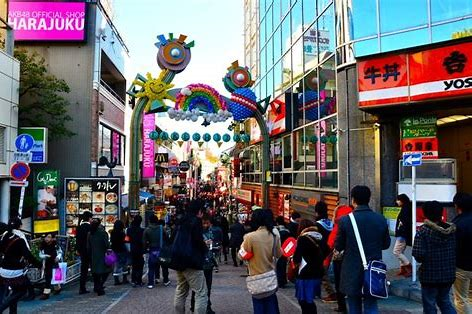
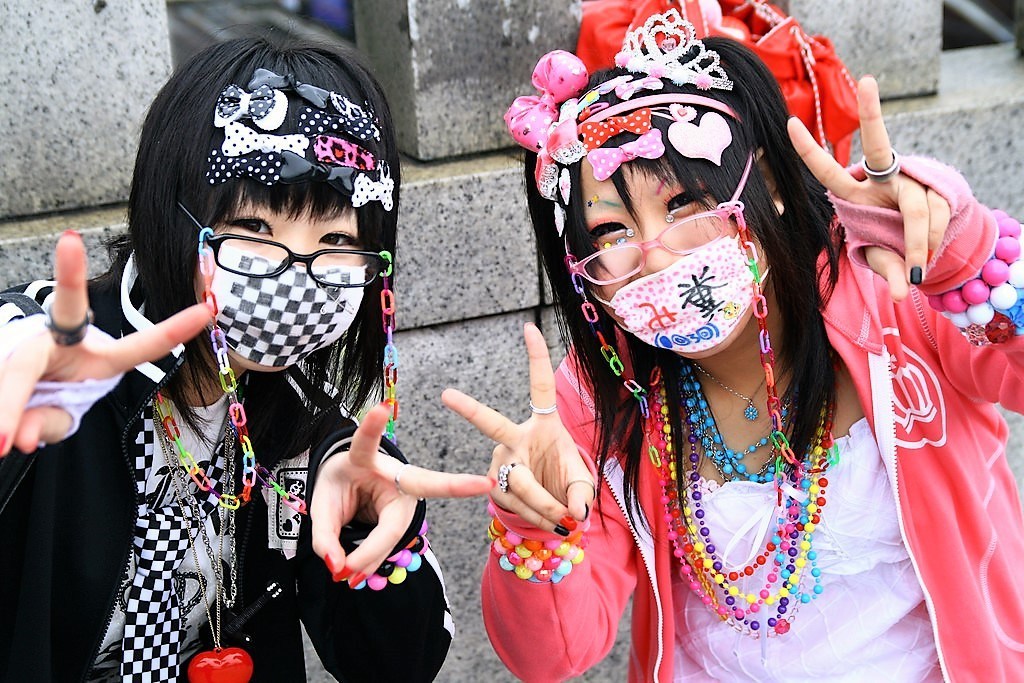
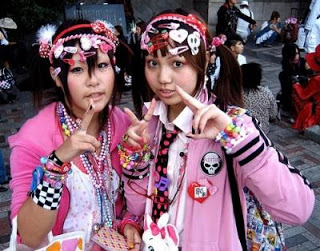
Harajuku resides in between Shibuya and Shinjuku. It is located at Harajuku station and resides within the Yamanote Line. It it the teen capital fashion central and cosplay central. You will see unique fashion trends that people spend time, money and a great deal of thought before stepping out of the house. You can easily spend an entire day here.
Go spend half the morning at the The Meji Shrine
I have used the following to write the below. All other sources are directly hyperlinked. Please go to bottom of page to see full citation. The website http://japantraveladvice.com/meiji-jingu-shrine/, https://www.annees-de-pelerinage.com/meiji-shrine-tokyo/ and http://www.meijijingu.or.jp/english/your/2.html. and journal article . 1. Fridell, W.M., 1975. The Establishment of Shrine Shinto in Meiji Japan. Japanese Journal of Religious Studies, pp.137-168. and Toshio, K., Dobbins, J.C. and Gay, S., 1981. Shinto in the history of Japanese religion. Journal of Japanese Studies, 7(1), pp.1-21.
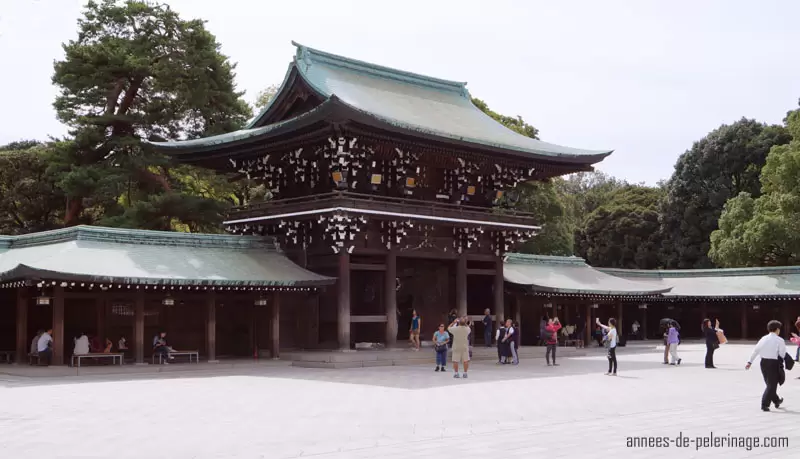
The Meji Shrine – or meiji jingu (明治神宮) is located nearby the JR line of the Harajuku station. It is completely free to go on the grounds and enter making it perfect for this budget friendly guide. It is one of the top site seeing venues in Japan amongst tourist. It consists of over 120,000 types of trees and belonging to over 360 variation types.
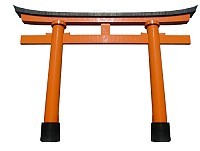
Temples and shrines are particularly important and integral to the Japanese heritage and culture. It should not be confused as many do. The Meji Temple is not a Buddhist temple but Shintoism. Shintoism is a religion that has its roots from Japan. If this is the only spot you can visit in Japan, be sure to make this your number one place to see as seeing a huge temple will be an amazing historical experience to go through. Shrines are places where people go to pray and give offerings to the Shinto “gods”. The Kami are represented by sacred objects hidden in a cabinet. The temple is a break from the busy streets of Tokyo as the forest of trees lie behind a Torri Gate which signifies the entrance of a temple. The below is an example of the Tori Gate. The forest compromises of over 100,000 tress donated from various regions across Japan making it more culturally significant.
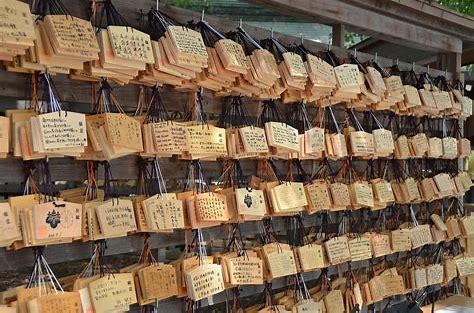
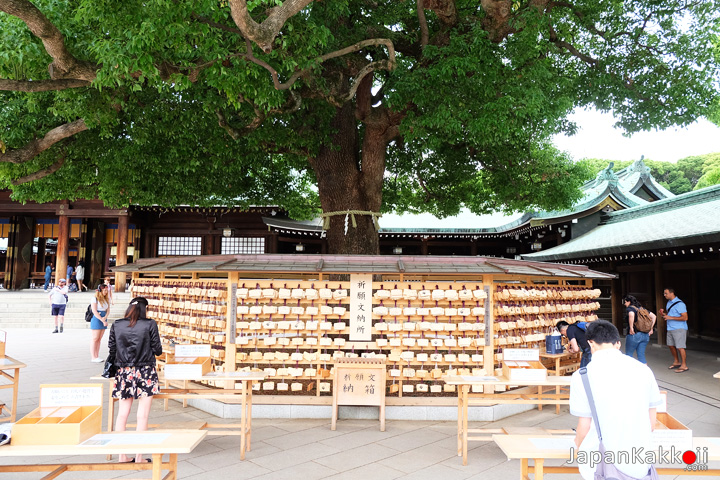
Something to partake in that hold significance to Shintroism is Ema. It is the part of the shrine where people write wishes and prayers on wooden parks and hang them as below in the picture. Close to the tables you will be able to locate tables where you can write on paper or on wood in any language to be part of the ritualistic practice.
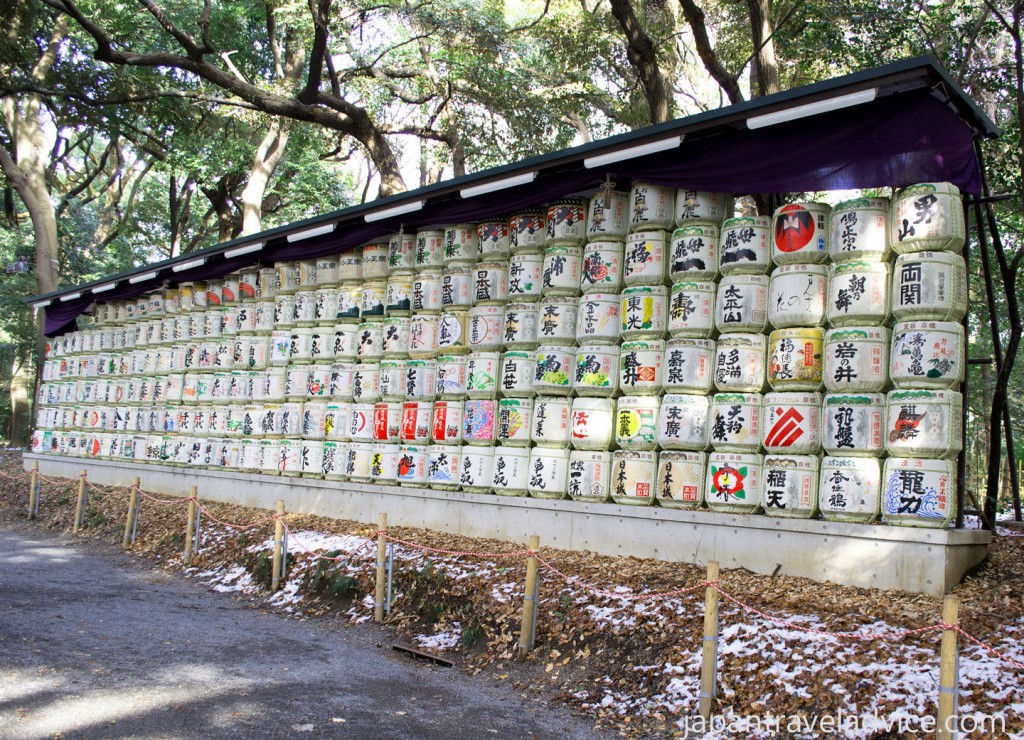
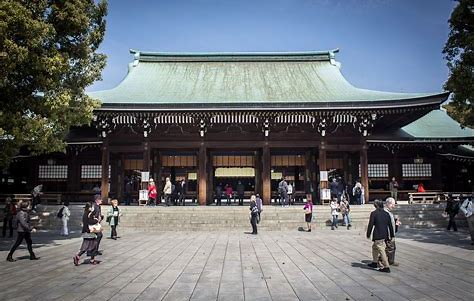
For those of you who don’t know the Meji shrine was created in 1923 and dedicated to the Emperor Meji and the Empress Shoken. It was later destroyed in the Word War II. It was rebuilt in 1958. The emperor was born in 1852 and took rains upon Tokyo in 1867 . The emperor died in 1912 and was not there to see the modernization of Japan or Tokyo. The temple has a modern twist on traditional architecture making it further appealing.
The best time to visit the Temple is the in the Japanese New Year as many people come during this day and is a special time. The inside of the temple consists of the Inner Garden. The Inner Garden has an entrance fee of 500 JPY. The garden is particularly beautiful around the cherry blossom blooming season.
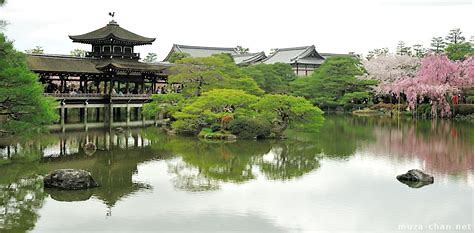
Other budget friendly Activities to do after the shrine visit:
Sources for this section have been hyperlinked to the direct source. Full citation can be found at the bottom of the page.
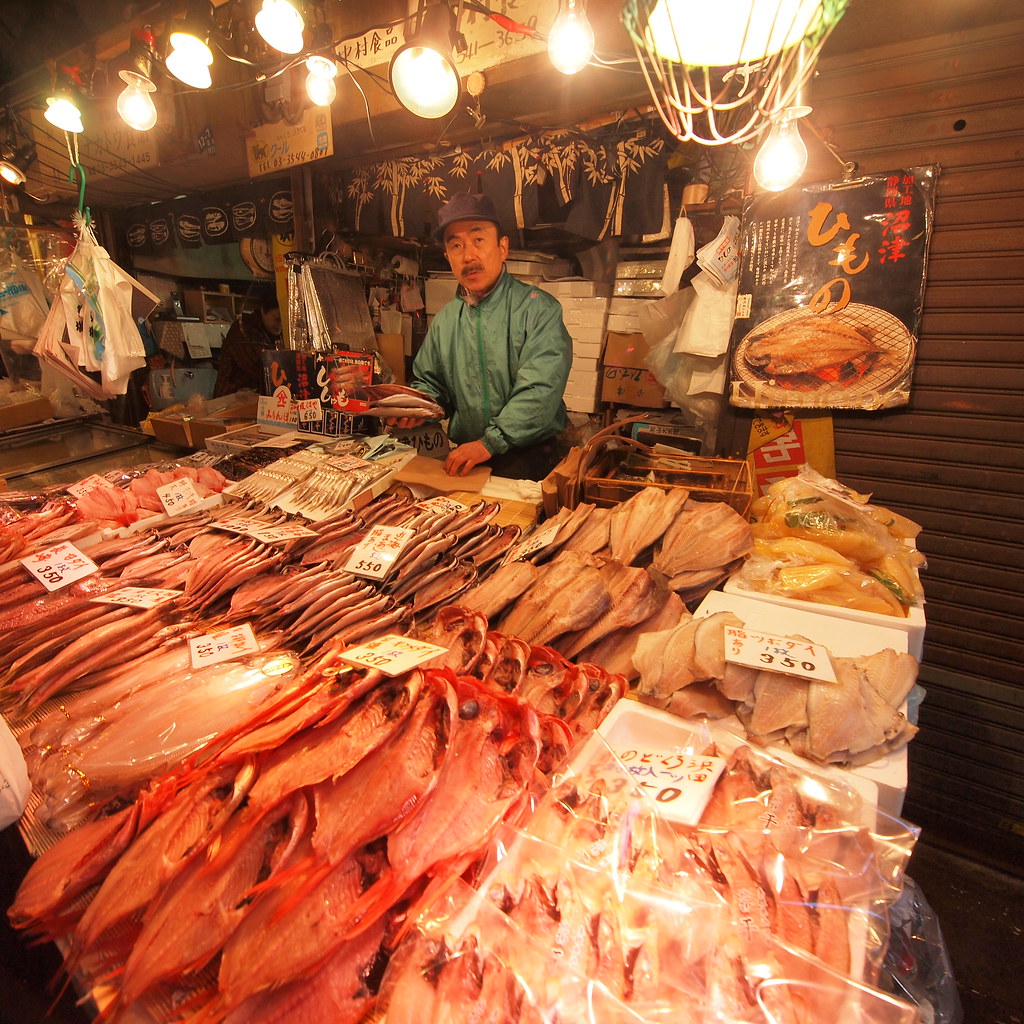
According to the Nomtrips.com blog, The Tsukiji Fish market is an iconic experience. But the only catch it you should be there or awake by 5am to embrace the madness and sights. If you arrive in the evening you will notice that everything will mostly be sold out. Be sure to get some fresh sushi near the market after. You can even book a sushi making class on your trip. You can read more here https://www.nomtrips.com/food-guide-tokyo-tsukiji-market-afuri-ramen/
Next head to the Taskashita Dori or Streets of Harajuku
Sources for this section have been hyperlinked to the direct source. Full citation can be found at the bottom of the page.
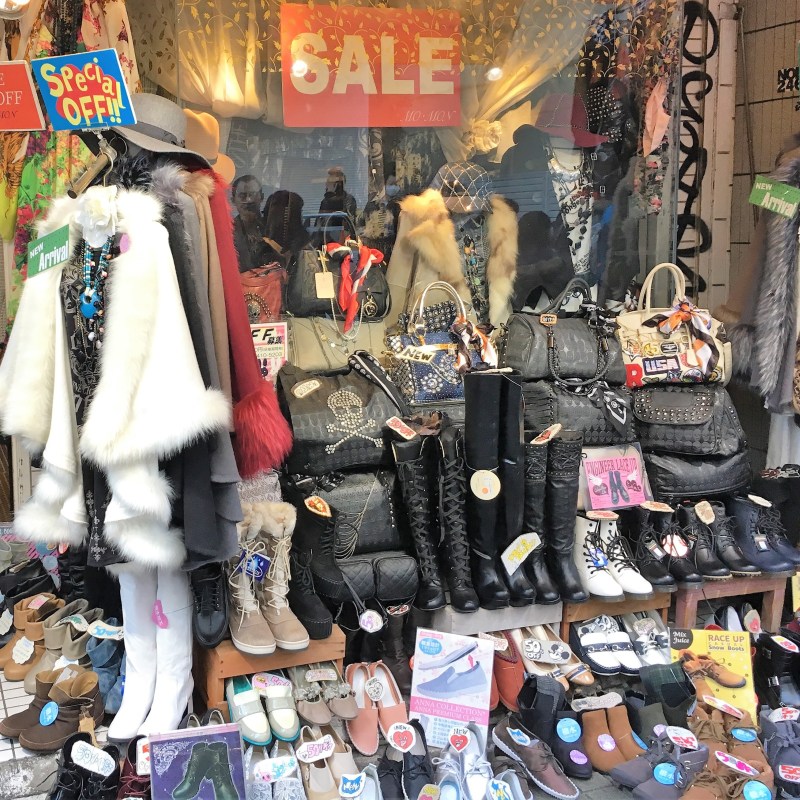
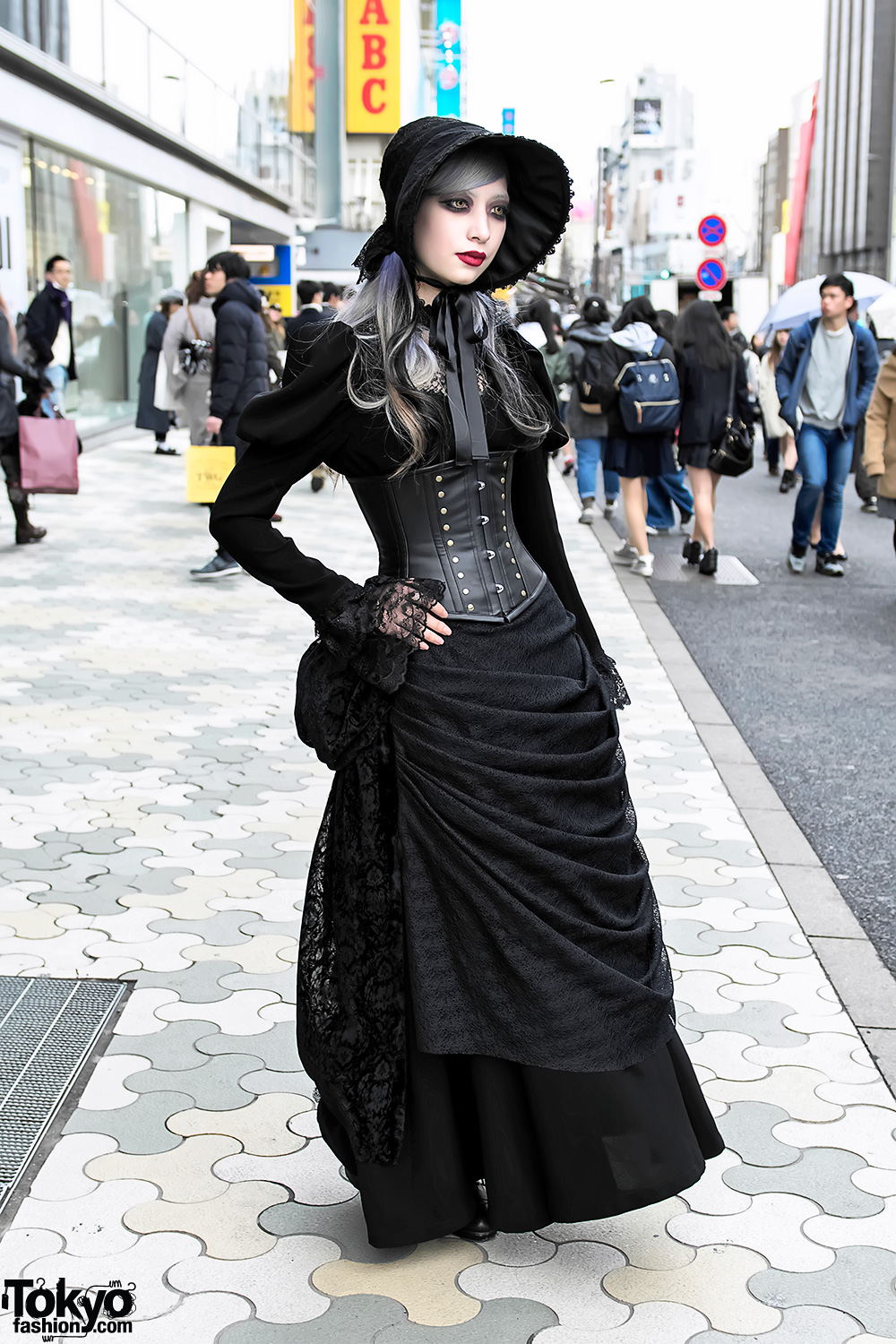
It is the reflection of popular fashion styles and is a reflection of teen style. the strip is covered with stores and boutiques. This area became trendy for clothes after Word War II and is now known to see extreme fashion ideals. From things you would see on Anime, to styles of Goth, Cyber punk, and Lolita. The list can go on and on. Shopping boutiques are expensive and people take great pride and effort in looking a certain way. The Harajuku trend started here. This is according to https://intrepidscout.com/shibuya-and-harajuku-tokyo-1-day-walking-tour-itinerary/#Takeshita_Street
You will also see a lot of cosplay outfits and depictions in this area, which is also a large part of Japanese culture.
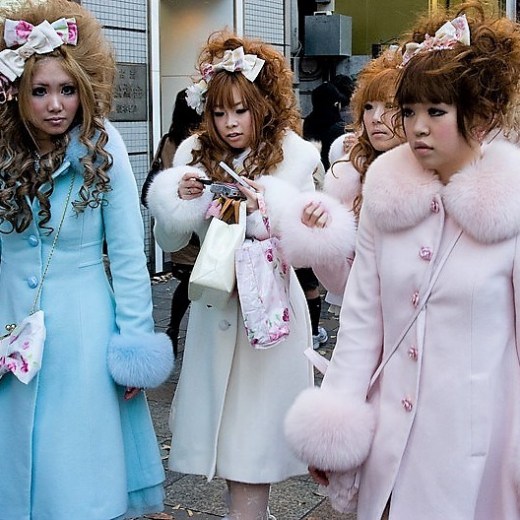
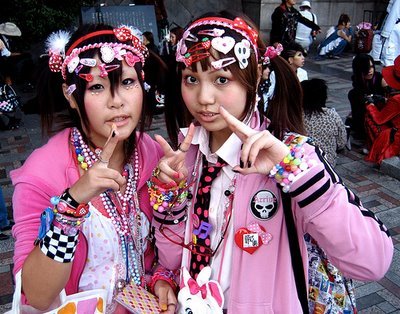
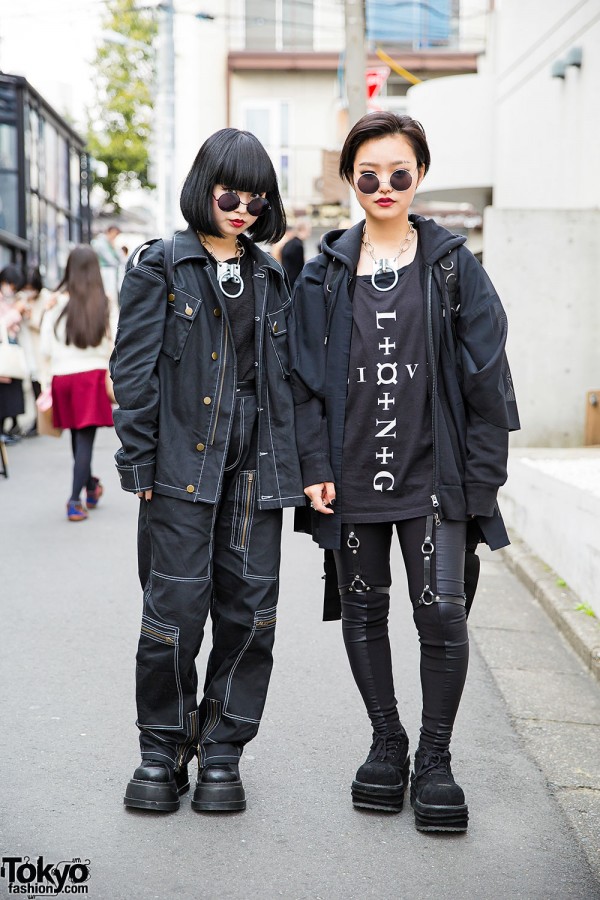
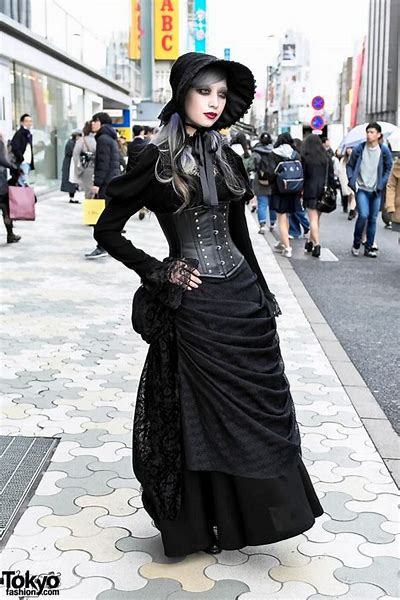
Places to eat in Harajuku there are plenty and the following links will tell you wear to go:
- 1. https://hubjapan.io/articles/20-best-food-finds-in-harajuku-you-should-not-miss
- https://hubjapan.io/articles/10-izakaya-in-harajuku-for-a-great-time
Day 4 – Shinjuku
Sources for this section have been hyperlinked to the direct source. Full citation can be found at the bottom of the page.
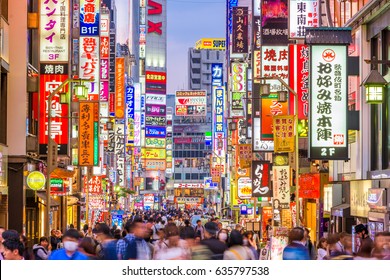
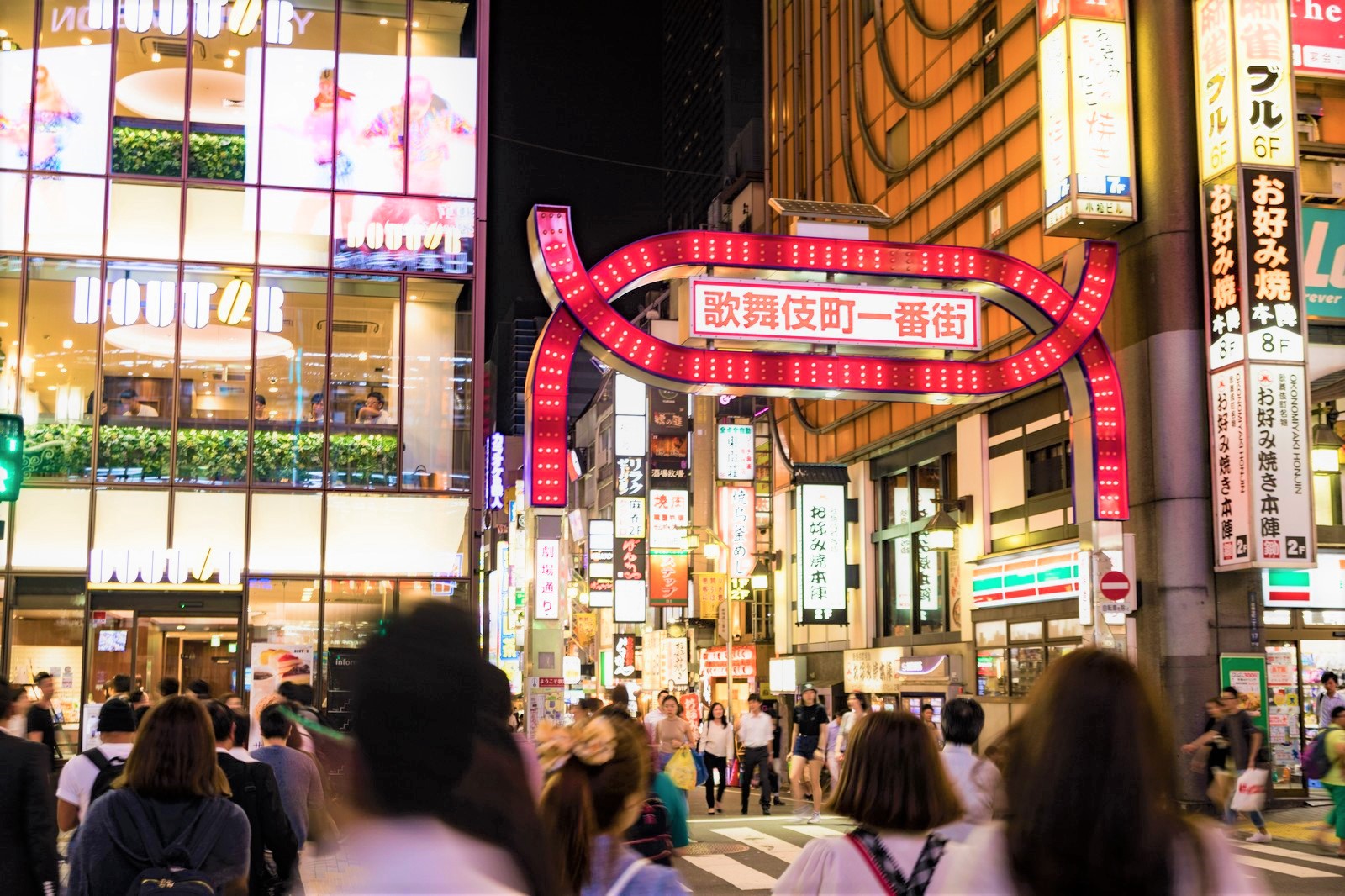
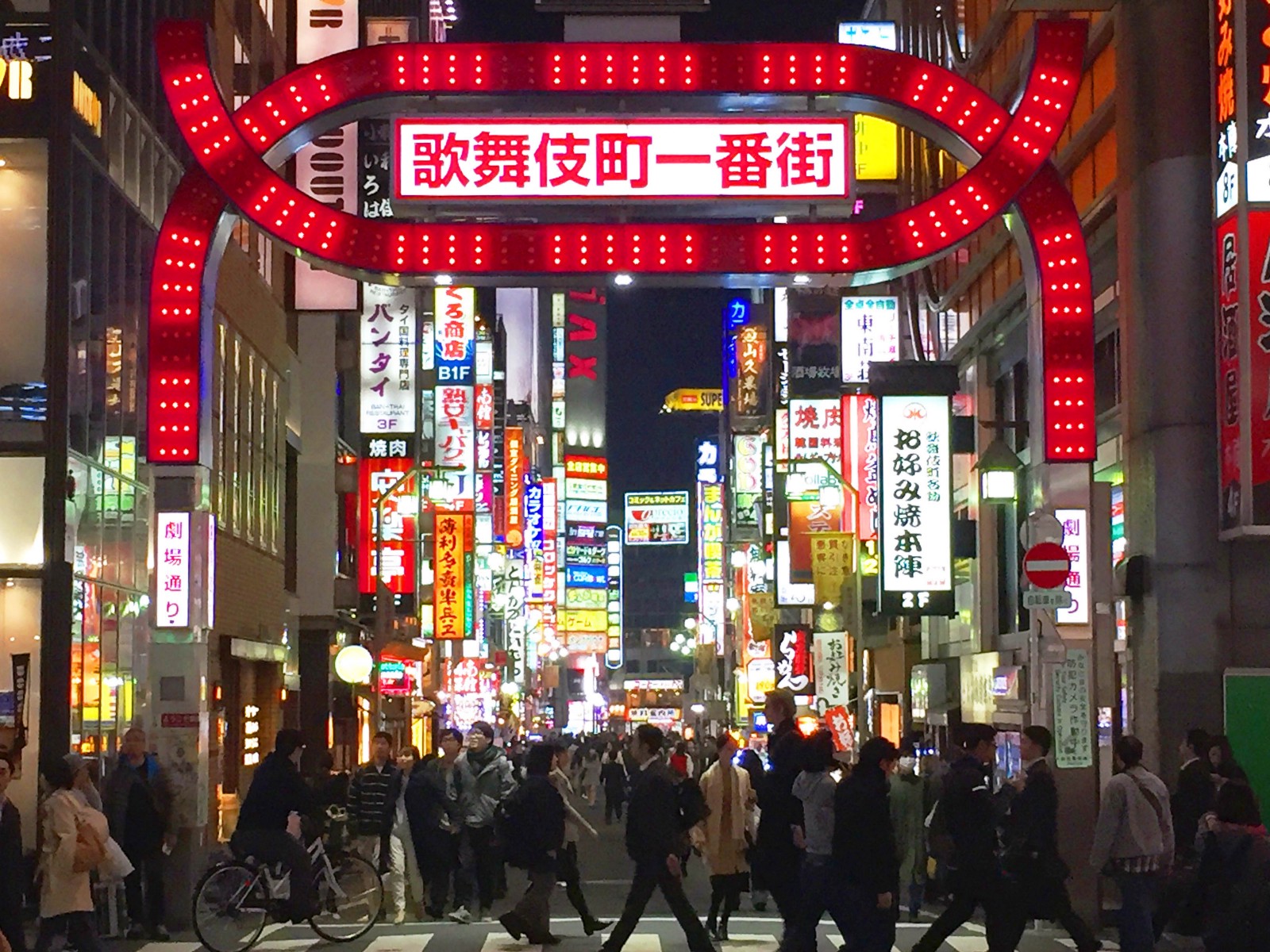
Shinjuku is an extremely busy part of Tokyo. It is known for its night out, karaoke rooms, shopping centres, being the sky scraper district and having plenty of hotel bars. If you enjoy an upbeat day of a city you will love Shinjuku. It is also home to Disneyland and Sea which is an iconic experience. It may be an expensive area of Tokyo but don’t be fooled. Just like above you will see cheap or even free activities to do.
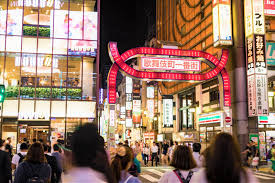
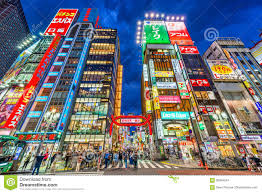
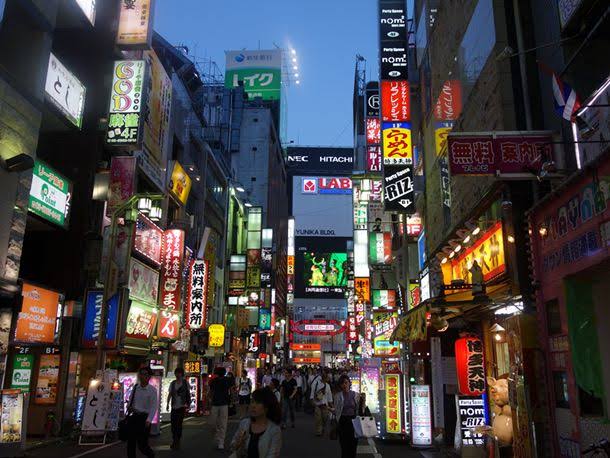
Take a Day trip to Disney land or sea
According to The Pinay Solo Backpacker Blog You can easily catch a train to the iconic theme park for the day via the train or bus. Travel wont be expensive but the entrance fee to the park and to partake in activities inside can be quite expensive. But it will also be very fun. If you want to splurge on a Disney day especially if you aren’t going to America or Paris any time soon or ever, I wouldn’t want to miss out. For entrance and activities you are looking at a minimum of $200 AUD. To read on more on how to execute this- check out this itinerary with more detailed information https://www.thepinaysolobackpacker.com/tokyo-itinerary/
Spend some time at Kabukicho
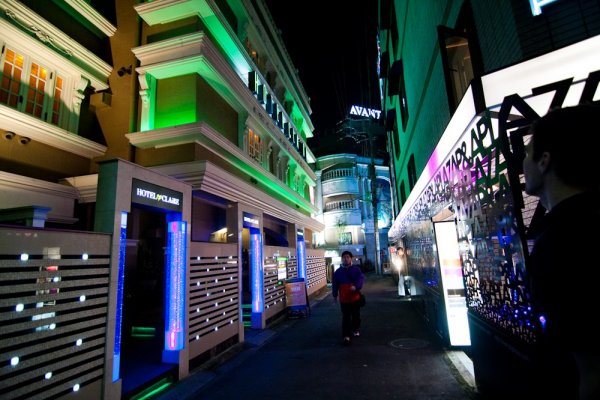
The Pinay Solo Backpacker Blog also explains how Kabukicho offers Tokyo largest night life scene and entertainment area. It has a huge red light district It has really interesting activities to partake in such as a love hotel which are themed rooms that can be hired by the hour. Some themes are Hello Kitty or Disney.

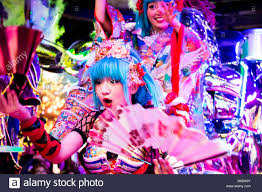
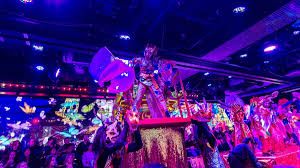
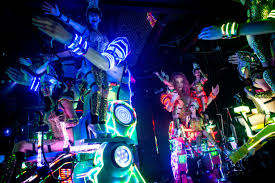
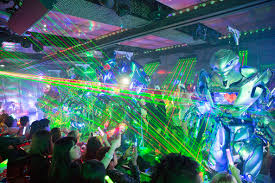
Robot Restraunt
The Robot restaurant outlined by https://www.thepinaysolobackpacker.com/tokyo-itinerary/ blog provides insane entertainments for all ages. It is a place that offers entertainment food where people meet up and ample aspects of Japanese culture is shown and heightened with electronic fusions. It can be expensive to see a show upto 8000 JPY. It is located on the same strip as Kabukicho. It is such a unqiue experience to go even see and have a drink as oppose to watching a show that I would not want to miss it.
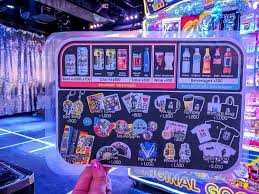
Museum
Something less expensive you can do is go and visit a Museum. There are so many themed and historical museums you will find across Tokyo. here is a link on Trip Advisor feating 10 amazing museums to visit in Shinjuku. The entry wont cost you more than 30 AUD.
Day 5- Mount Fuji
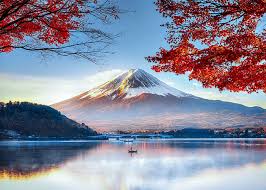
On this last day of Tokyo, I would highly recommend spending one day taking a day trip to Mount Fuji. This could prove to be slightly expensive but definitely a must see! There are loads of tour agencies that will make a package and take you and bring you back. I will go through and list a few below that I believe to be viable.
About Mount Fuji:
I have used the following to write the below. All other sources are directly hyperlinked. Please go to bottom of page to see full citation. The blog https://mynihonblog.com/2017/07/24/fujigoko-mount-fujis-five-lakes/, https://www.thebrokebackpacker.com/where-to-stay-in-mt-fuji-japan/ , https://tokyocheapo.com/travel/tokyo-to-mount-fuji-transport/ AND website- https://www.nationalgeographic.org/media/mount-fuji/ , http://www.chaptertravel.com/day-trip-mount-fuji/ It also uses information from the following JOURNAL ARTICLE- Kureha, M., Kikuchi, T., Sano, M. and Yamamoto, M., 2015. Overview of special issue: Human geographical studies of Mount Fuji region focusing on tourism. Journal of Geography (Chigaku Zasshi), 124(6), pp.877-885.
JOURNAL ARTICLE- Tanaka, E. and Hatakeyama, T., 2015. The evolution of Japanese perceptions of Mount Fuji and modern perceptions of Mount Fuji. JOURNAL OF GEOGRAPHY-CHIGAKU ZASSHI, 124(6), pp.953-963.
BOOK Earhart, H.B., 2015. Mount Fuji: Icon of Japan. Univ of South Carolina Press.
Vancouver
Mount Fuji the mountain that is the tallest residing peak in Japan at 3776 meters or 12380 feet. It is an active volcano and you will see pictures of it on many websites and postcards of Japan as it is an iconic symbolises Japan. The active Volcano sits on three tectonic plates that impact it. The first is the Eurasian tectonic plate, the Filipino plate and the Okhotsk plate. It is only 100 kilometres from the largest city of Japan Tokyo. IT is easily the most popular site visited by tourists internationally and nationally and an estimated 200 thousand people reach the top of the summit per .year. the last time Mount Fuji had erupted was in 1707 and the ash from the volcano reached Tokyo. The sun that rises from the summit of Mount Fuji is directly represented in the Japanese flag too and is absolutley Iconic.
Mount Fuji is part of the Mount Fuji is part of the Fuji-Hakone-Izu National Park and is surrounded by 5 iconic lakes (Fujiko meaning 5 lakes). The five lakes are Kawaguchiko, Yamanakako, Shojiko, Saiko and Motosuko. Its seasonal variations and views it provides is what makes it so beautiful and wonder0us to look at. It has a symmetrical cone shape to it. There is a forest at the base in Aokigahara. To read more about the lakes follow up on the next link and have a read. https://mynihonblog.com/2017/07/24/fujigoko-mount-fujis-five-lakes/
According to the National Geographic website Mount Fuji is particularly important the religion of Shinto and there are many shrines and temples located across the area. Shintoism is a religion that has been practiced from the 7th century and within the shrine there is Kami. Kamu at the deities that are worshipped in the indigenous faith. Princess Konohanasakuya is the Kami of Mount Fuji. She symbolises the Cherry Blossom and has over 1000 shrines across Japan dedicated to her.
How to get there and what to do:
You can easily take a day trip to Mount Fuji from Tokyo as it is only 100 km away and will take about 2hours to get there via bus or Train. Ticket prices vary across the year depending on which season you are travelling. Peak times such as the cherry blossom season will incur a pricier cost. You can expect to pay an up to $150AUD return for a bus or train ticket. Common pickup stops are Tokyo, Shibuya and Shinjuku. You can pre-book your tickets via Willer Express and Kosoku Bus. Consider even taking a 90 minute bullet train from Tokyo to Mount Fuji which can take 90 minutes. Bullet trains are infamous in Japan.
You can pre-purchase your tickets with the help of any concierge staff. You can book a pre booked tour or a guided tour in advance. Some tours can be from $60 up to $2000 AUD for private tours. You can check websites like The Viator to explore some options. However as a budget traveller the bus or train is the better option.
As Mount Fuji is surrounded by 5 lakes you should ideally leave as early as possible in the morning to get the most out of your day. If you are planning to go and see more than two lakes I would recommend planning your day wisely. The most popular place to get off and see excellent sites is Kawaguchiko which is one of the most beautiful lakes. Be sure to find out when the last bus or train is back to Tokyo and be sure to have a seat so you can plan your day around it. Usually the last bus is a t 6pm. Therefore you should roughly have 10am-6pm to plan your day.
For travelling around Kawaguchiko and Mount Fuji you should get the ticket for a bus line that will run through Kawaguchiko Lake and any other lake you would like to visit on the day. The bus pass can cost up 1500JPY. I personally would go to the Kawaguchiko lake or up to Hakone or Lake Saiko as it is known for its excellent views during the clear weather. Which ever lake you will be hit by unlimited scenes of beauty and activities to do. If you do have more time, I would suggest staying overnight to explore more.

The town of Kawaguchiko has a lake and scenic picturesque views. at busier times this area can get packed so beware. I would recommend the following activities to do through the day at Lake Kawaguchiko.
1. Take a cable cart up to Mt. Kachikachi Ropeway to Tenjoyama Park- This will take 15 minutes and has spectacular views
2. Go visit some Shrines- Kitaguchi Hongu Sengen Shrine and the Arakurayama Sengen Shrine are ideal places to visit with beautiful Pagodas. These are located about 4km from the station and a bus can be taken.
3. Walk across the lake and go to Lake Saiko to get some amazing photos
5. Check out some of the towns popular eateries. Here are some food guides for cheap and delicious meals you can eat. Sundaii love and Trip Advisor. You will hit many tea houses through out the day
Sample Intenerary – Day 1-5
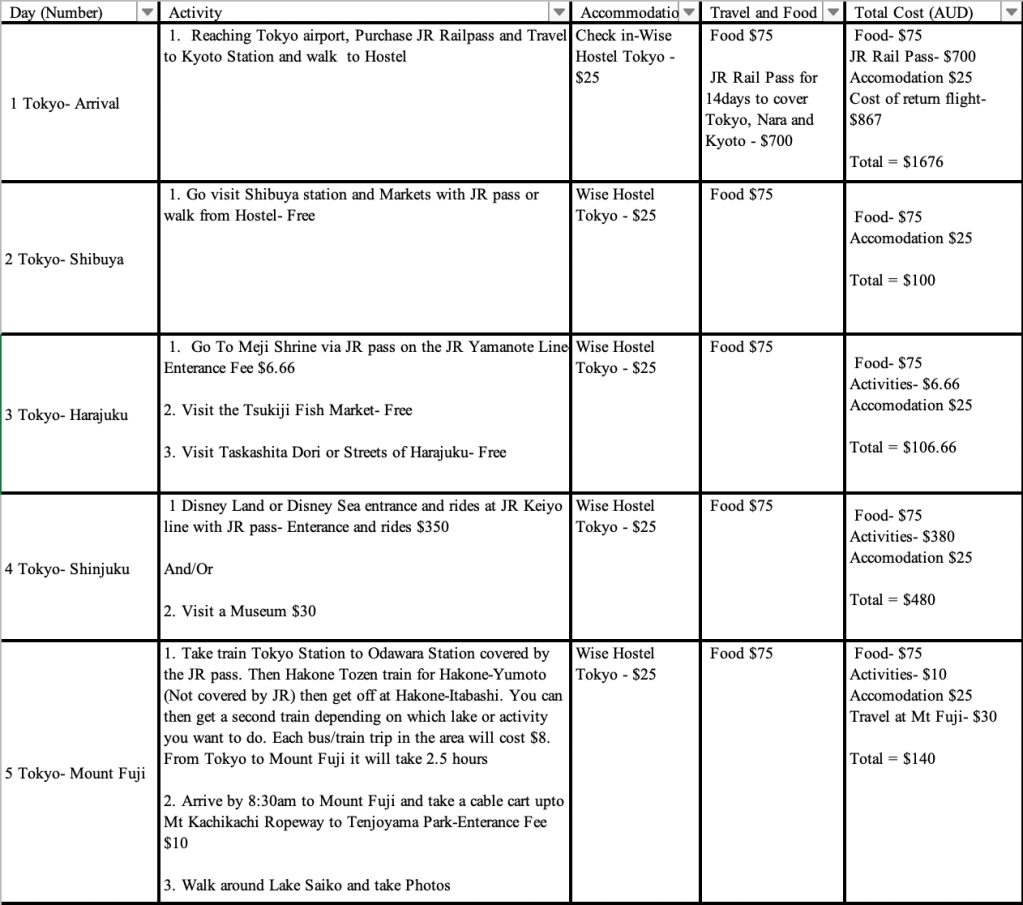
Please Keep in mind the below is an estimate based on Feb 2020 prices for April 1st-15th 2020 and are subject to change. Please check websites for updated prices. This is for Australian AUD. This is the cost price for the Cherry Blossom Season. Please ensure you purchase your ticket with arrival at any Tokyo International Airport and Departure from Osaka International Airport.
The total for day 1-5= $2502.66 . This may be over half your budget but includes your return international flight and the purchase of your JR Pass for 14 days that will cover Tokyo, Kyoto and Nara.
Phone: 1300 JAPAUS Email:JapanAustraliaTravel@TravelGuides.com.au
By: Parul Chatterjee
Sources of Academic Journals and Books:
1. JOURNAL ARTICLE Kikuchi, T., Maruyama, S., Inazaki, T., Kumaki, Y., Kureha, M., Sano, O., Sugai, T. and Marui, A., 2013. Introduction to the special issue on “Tokyo: Past, Present, and Future (Part I)”. Journal of Geography (Chigaku Zasshi), 122(6), pp.913-915.
2. JOURNAL ARTICLE Fridell, W.M., 1975. The Establishment of Shrine Shinto in Meiji Japan. Japanese Journal of Religious Studies, pp.137-168.
3. JOURNAL ARTICLE Toshio, K., Dobbins, J.C. and Gay, S., 1981. Shinto in the history of Japanese religion. Journal of Japanese Studies, 7(1), pp.1-21.
4. JOURNAL ARTICLE– Kureha, M., Kikuchi, T., Sano, M. and Yamamoto, M., 2015. Overview of special issue: Human geographical studies of Mount Fuji region focusing on tourism. Journal of Geography (Chigaku Zasshi), 124(6), pp.877-885.
5. JOURNAL ARTICLE– Tanaka, E. and Hatakeyama, T., 2015. The evolution of Japanese perceptions of Mount Fuji and modern perceptions of Mount Fuji. JOURNAL OF GEOGRAPHY-CHIGAKU ZASSHI, 124(6), pp.953-963.
5. BOOK Earhart, H.B., 2015. Mount Fuji: Icon of Japan. Univ of South Carolina Press.
Vancouver
Sources of Websites:
1. Edition.cnn.com. (2020). Tokyo: City overview – CNN.com. [online] Available at: http://edition.cnn.com/2008/TRAVEL/09/30/tokyo.overview/index.html [Accessed 25 Jan. 2020].
=Academie websites ie Blogs:
2. Japan-guide.com. (2020). Prepaid IC Cards in Japan: Suica, Pasmo, Icoca. [online] Available at: https://www.japan-guide.com/e/e2359_003.html [Accessed 25 Jan. 2020].
3. Google.com. (2020). JR Pass Info Link – Google Search. [online] Available at: https://www.klook.com/en-AU/activity/1420-7-day-whole-japan-rail-pass-jr-pass/ [Accessed 25 Jan. 2020].
4. Japan-rail-pass.com. (2020). Buy a Suica Card | Japan Rail Pass. [online] Available at: https://www.japan-rail-pass.com/services/suica-card [Accessed 25 Jan. 2020].
5. Hostelworld. (2020). Book Cheap Youth Hostels: Find the best Hostels Near me. [online] Available at: https://www.hostelworld.com/hostels [Accessed 25 Jan. 2020].
6. Booking.com. (2020). Booking.com: The largest selection of hotels, homes, and vacation rentals. [online] Available at: https://www.booking.com/ [Accessed 25 Jan. 2020].
7. Agoda.com. (2020). Agoda Homepage. [online] Available at: https://www.agoda.com/ [Accessed 25 Jan. 2020].
8. trivago. (2020). trivago.co.uk – Compare hotel prices worldwide. [online] Available at: https://www.trivago.com/ [Accessed 25 Jan. 2020].
9. Tokyo Cheapo. (2020). Capsule Hotels in Tokyo: How to Experience Them | Tokyo Cheapo. [online] Available at: https://tokyocheapo.com/accommodationcat/capsule-hotel-tokyo-guide/ [Accessed 25 Jan. 2020].
10. You Could Travel. (2020). The best 15 things to do in Shibuya, Tokyo. [online] Available at: https://www.youcouldtravel.com/travel-blog/the-best-15-things-to-do-in-shibuya-tokyo [Accessed 25 Jan. 2020].
11. TripAdvisor. (2020). Afuri Ebisu – Shibuya / Harajuku / Ebisu – Menu, Prices & Restaurant Reviews – TripAdvisor. [online] Available at: https://www.tripadvisor.com/Restaurant_Review-g14131018-d1663405-Reviews-Afuri_Ebisu-Ebisu_Shibuya_Tokyo_Tokyo_Prefecture_Kanto.html [Accessed 25 Jan. 2020].
12.TripZilla. (2020). Here are 10 places you can savour Shibuya truly, madly, cheaply!. [online] Available at: https://www.tripzilla.com/cheap-good-food-shibuya/85044 [Accessed 25 Jan. 2020].
13.Asano, J. (2020). Meiji Jingu Shrine | Japan Travel Advice. [online] Japan Travel Advice. Available at: http://japantraveladvice.com/meiji-jingu-shrine/ [Accessed 25 Jan. 2020].
14. Annees de pelerinage. (2020). Tokyo’s gigantic shinto temple – Meiji Shrine. [online] Available at: https://www.annees-de-pelerinage.com/meiji-shrine-tokyo/ [Accessed 25 Jan. 2020].
15. Meijijingu.or.jp. (2020). Meiji Jingu-Your shrine visit-. [online] Available at: http://www.meijijingu.or.jp/english/your/2.html [Accessed 25 Jan. 2020].
16. Nomtrips.com. (2020). Tokyo Food Day Guide – Au Sisters’ eating at Tsukiji Fish Market and Harajuku – Nomtrips.com. [online] Available at: https://www.nomtrips.com/food-guide-tokyo-tsukiji-market-afuri-ramen/ [Accessed 25 Jan. 2020].
17. Scout, I. (2020). Shibuya and Harajuku in Tokyo -1-Day Walking Tour Itinerary – Intrepid Scout. [online] Intrepid Scout. Available at: https://intrepidscout.com/shibuya-and-harajuku-tokyo-1-day-walking-tour-itinerary/#Takeshita_Street [Accessed 25 Jan. 2020].
18.Hub Japan. (2020). 20 Best Food Finds in Harajuku You Should Not Miss. [online] Available at: https://hubjapan.io/articles/20-best-food-finds-in-harajuku-you-should-not-miss [Accessed 25 Jan. 2020].
19.solobackpacker, t. (2020). TOKYO ITINERARIES (with Budget) 2018 – The Pinay Solo Backpacker. [online] The Pinay Solo Backpacker Itinerary Blog. Available at: https://www.thepinaysolobackpacker.com/tokyo-itinerary/ [Accessed 25 Jan. 2020].
20.Hub Japan. (2020). 10 Izakaya in Harajuku for a Great Time at night. [online] Available at: https://hubjapan.io/articles/10-izakaya-in-harajuku-for-a-great-time [Accessed 25 Jan. 2020].
21.Tripadvisor.com.au. (2020). THE 10 BEST Museums in Shinjuku – TripAdvisor. [online] Available at: https://www.tripadvisor.com.au/Attractions-g1066457-Activities-c49-Shinjuku_Tokyo_Tokyo_Prefecture_Kanto.html [Accessed 25 Jan. 2020].
22. My Nihon. (2020). Fujigoko: Mount Fuji’s Five Lakes. [online] Available at: https://mynihonblog.com/2017/07/24/fujigoko-mount-fujis-five-lakes/ [Accessed 25 Jan. 2020].
23.Willerexpress.com. (2020). Highway bus, night bus in Japan | WILLER TRAVEL. [online] Available at: https://willerexpress.com/en/ [Accessed 25 Jan. 2020].
24. Chapter Travel. (2020). A Day Trip to Mount Fuji from Tokyo. [online] Available at: http://www.chaptertravel.com/day-trip-mount-fuji/ [Accessed 25 Jan. 2020].
25. Society, N. (2020). Mount Fuji. [online] National Geographic Society. Available at: https://www.nationalgeographic.org/media/mount-fuji/ [Accessed 25 Jan. 2020].
24.The Broke Backpacker. (2020). MUST READ: Where to Stay in Mt Fuji (January 2020) – The Broke Backpacker. [online] Available at: https://www.thebrokebackpacker.com/where-to-stay-in-mt-fuji-japan/ [Accessed 25 Jan. 2020].
25.Finn, C. and Finn, C. (2020). Tokyo to Mount Fuji: Transport Guide | Tokyo Cheapo. [online] Tokyo Cheapo. Available at: https://tokyocheapo.com/travel/tokyo-to-mount-fuji-transport/ [Accessed 25 Jan. 2020].
26. sundailove.com. (2020). Where and What to Eat in Mt. Fuji’s Lake Kawaguchi | Restaurant Guide. [online] Available at: https://sundailove.com/where-to-eat-mt-fujis-lake-kawaguchi-restaurant-cafe-guide/ [Accessed 25 Jan. 2020].
27.Blog.japanwondertravel.com. (2020). 9 Things to Do around Mt.Fuji Area(Kawaguchiko Area) – Japan Wonder Travel Blog. [online] Available at: https://blog.japanwondertravel.com/9-things-to-do-around-mt-fuji-areakawaguchiko-area-9495 [Accessed 25 Jan. 2020].
28. Rowthorn, w. (2020). A Day Trip to the Mt. Fuji Area: Lake Kawaguchiko. [online] Truly Tokyo. Available at: https://trulytokyo.com/a-day-trip-to-the-mt-fuji-area-lake-kawaguchiko/ [Accessed 25 Jan. 2020].
source of Images used:
1. http://s.telegraph.co.uk/graphics/projects/tokyo-ancient-modern/media/e1r1cr_wide-mr.jpg
2. https://i.insider.com/5d26280921a86107bb51bd92?width=2500&format=jpeg&auto=webp
3.https://specials-images.forbesimg.com/imageserve/956015912/960×0.jpg?fit=scale
4. https://www.gotokyo.org/en/spot/78/images/78_0153_2_1400x1100.jpg
5. https://www.mappi.net/img/tokyo/mini_tokyo_japan_map_big.jpg
6.https://abouttokyo.jp/images/tokyo_info_time01.png
7. https://abouttokyo.jp/images/access.svg
8.https://media.gettyimages.com/photos/capsule-hotel-room-interior-picture-id1006567422?s=612×612
9.https://pix10.agoda.net/hotelImages/113/1135167/1135167_17052509440053217295.jpg?s=160×120
10. https://encrypted-tbn0.gstatic.com/images?q=tbn:ANd9GcQTTrFIDmUtO5tS1p1apxv9SGfF4UH82zw4PjMBqVvckoPJHA3UvA&s
11. https://images.immediate.co.uk/production/volatile/sites/3/2017/08/112560.jpg?quality=90&lb=1880,1252&background=white
12.https://www.gamblingsites.org/wp-content/uploads/2019/11/Gambling-Addiction-in-Japan-1.jpg
13. https://d2fzf9bbqh0om5.cloudfront.net/blog/posts/content/1088.jpg
14.https://blahblahbragship.files.wordpress.com/2012/07/7162365829_8f44b300cb_b.jpg?w=368&h=244&zoom=2
15.https://encrypted-tbn0.gstatic.com/images?q=tbn:ANd9GcS9NxjuOzDJ2oHs5mdLUxoSbks68CqQUhS2idKOc3n791KZJI8D&s
16.http://cdn.deepjapan.org/content/images/.cache/_image2_1_O-iKxg1452309261414_5_960_720_90.jpg
17.https://thumbs.dreamstime.com/z/red-door-named-torii-lantern-hanged-fushimi-inari-shrine-kyoto-japan-isolate-53134586.jpg
18.https://www.annees-de-pelerinage.com/wp-content/webp-express/webp-images/doc-root/wp-content/uploads/2015/02/meji-shrine-in-tokyo-japan.jpg.webp
19. https://caution.files.wordpress.com/2009/07/hime10.jpg
20. https://japanaustralia.travel.blog/wp-content/uploads/2020/01/e767c-decora4.jpg
21. http://tokyofashion.com/wp-content/uploads/2017/04/Gothic-Harajuku-Street-Fashion-Abilletage-20170401D500081.jpg
22.https://www.seriouseats.com/images/2014/06/20140612-295166-Shinjuku-street.JPG
23. https://image.shutterstock.com/image-photo/tokyo-japan-may-7-2017-260nw-635797538.jpg
24.https://jw-webmagazine.com/wp-content/uploads/2019/06/jw-5d1492731cd878.66211307.jpeg
25.https://jw-webmagazine.com/wp-content/uploads/2019/06/jw-5d1473c9e22ce3.60690829.jpeg
26. https://cf-r.365ticketsglobal.com/resized/486×324/32080-robo1.jpg
27.https://dynaimage.cdn.cnn.com/cnn/q_auto,w_634,c_fill,g_auto,h_357,ar_16:9/http%3A%2F%2Fcdn.cnn.com%2Fcnnnext%2Fdam%2Fassets%2F170905125702-tokyo-robot-restaurant-7.jpg
28.https://i2.wp.com/japao.blog/wp-content/uploads/2018/05/robot-restaurant-shinjuku-tokyo-japan-8.jpg?w=1200&ssl=1
29.https://www.traveller.com.au/content/dam/images/h/1/e/z/4/o/image.related.articleLeadwide.520×294.h1eyg8.png/1559889465440.jpg
30.https://www.liveabout.com/thmb/cmNaq8zTFoHQE9SfbEfqIY5seUg=/768×0/filters:no_upscale():max_bytes(150000):strip_icc():format(webp)/fuji-mountain-in-autumn-822273028-5a6a8a9c3418c600363958d3.jpg
31. https://www.jrailpass.com/blog/wp-content/uploads/2016/08/shinkansen-bullet-train-1200×800.jpg
32.https://i0.wp.com/www.fujisan.ne.jp/access/images/map_walking_trail_e.gif?zoom=2
33. https://s.yimg.com/g/images/spaceout.gif
34. https://media.gettyimages.com/photos/lake-saiko-picture-id163897037?s=612×612
35. https://i0.wp.com/intrepidscout.com/wp-content/uploads/2018/03/harajuku-girls3.jpg?zoom=2&resize=400%2C400&ssl=1
Phone: 1300 JAPAUS Email:JapanAustraliaTravel@TravelGuides.com.au
EditTravel Guide by Parul ChatterjeeWebsite by Travel Guide Parul Chatterjee, Blog at WordPress.com.Privacy & Cookies: This site uses cookies. By continuing to use this website, you agree to their us
 Website by Travel Guide Parul Chatterjee







:max_bytes(150000):strip_icc():format(webp)/fuji-mountain-in-autumn-822273028-5a6a8a9c3418c600363958d3.jpg)